Desay SV becomes new Top Partner of VfL Wolfsburg
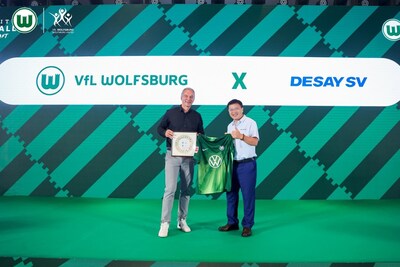
WOLFSBURG, Germany, July 27, 2026 /PRNewswire/ -- Desay SV, a global mobility technology company, and VfL Wolfsburg announced a strategic partnership. United by a shared commitment to innovation, teamwork and excellence, the collaboration brings together intelligent mobility company and one of Germany's most iconic football clubs. The partnership marks an important step in strengthening Desay SV's brand presence in Europe and advancing its global strategy. By collaborating with one of the region's most recognized sporting brands, Desay SV is deepening its relationships with local communities and industry partners while reaffirming its long-term commitment to Europe through continued investment in local R&D, manufacturing and service capabilities.
Focus on Innovation and Value for Society
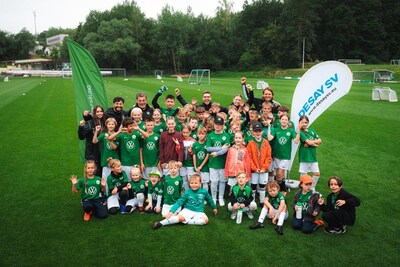
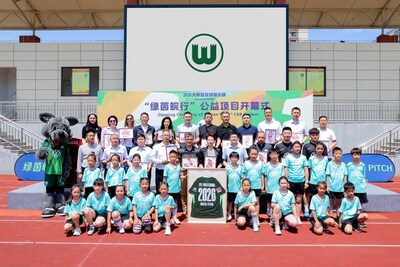
Extending beyond business, the partnership also expands into social responsibility. As part of the collaboration, Desay SV and VfL Wolfsburg will jointly advance the Green Pitch initiative, using football as a platform to inspire and empower the next generation. Launched in May in Anhui, China, the long-term program supports "left-behind children" by creating sustained opportunities to participate in sport, build confidence and realize their potential through football. Beyond the Green Pitch initiative, Desay SV and VfL Wolfsburg will also organise youth football clinics across five cities in China and Germany in the coming weeks, fostering teamwork, resilience and mutual respect while promoting football knowledge and culture among young people.
"As Desay SV celebrates its 40th anniversary this year, we are delighted to partner with VfL Wolfsburg. Having received the Volkswagen Group Award 2025, this partnership represents a significant step in further integrating into the Volkswagen Group's broader ecosystem. Football is a powerful bridge that emotionally connects people. The dynamism and energy that VfL Wolfsburg demonstrates on the pitch reflect our ambition to create 'safe, delightful and sustainable mobility experiences.' We look forward to this cross-industry collaboration and aim to create lasting value for our communities and stakeholders." says Yang Yong, Executive Vice President of Desay SV.
"With Desay SV, we are gaining a globally leading technology partner. This partnership strengthens VfL Wolfsburg's international profile while also highlighting our strong relevance and excellent reputation in the Chinese market. We are particularly pleased that this commitment goes far beyond traditional sponsorship, allowing us to take on social responsibility together through the 'Green Pitch' CSR project," added Steffen Grupp, Managing Director of VfL Wolfsburg.
VfL Wolfsburg is a football club built on ambition, teamwork and resilience, values that closely align with Desay SV's 40-year journey of continuous innovation and its vision of "Providing Smarter Mobility for All." Through this partnership, Desay SV and VfL Wolfsburg will come together to celebrate and promote the spirit of innovation, perseverance and excellence, inspiring new connections between mobility, sport and communities.
About Desay SV
Desay SV is one of the leading companies specializing in intelligent cabin, intelligent driving and connected services. With 26 locations and more than 12,000 employees worldwide, Desay SV works with over 80 automotive brands and develops next-generation innovations for global markets.
Photo - https://mma.prnewswire.com/media/3007929/image1.jpg
Photo - https://mma.prnewswire.com/media/3007928/image2.jpg
Photo - https://mma.prnewswire.com/media/3007930/image3.jpg
Photo - https://mma.prnewswire.com/media/3007931/image4.jpg
 View original content:https://www.prnewswire.co.uk/news-releases/desay-sv-becomes-new-top-partner-of-vfl-wolfsburg-302835279.html