Bracco Imaging Earns Second Consecutive EcoVadis Platinum Medal with Record Sustainability Score
Recognition reflects Bracco Imaging's top-tier EcoVadis performance and strengthened sustainability data, governance and procurement practices
MILAN, July 20, 2026 /PRNewswire/ -- Bracco Imaging today announced that it has earned the 2026 EcoVadis Platinum Medal, the highest level of recognition awarded by EcoVadis, one of the world's leading business sustainability rating platforms. The distinction places Bracco among the top 1% of companies assessed by EcoVadis over the previous 12 months and reflects the strength of the company's sustainability management system.
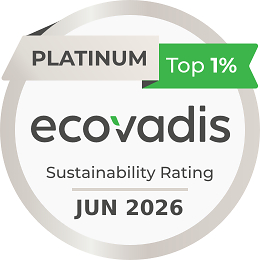
The recognition builds on Bracco's steady progress in sustainability performance. After earning Gold Medals for two years and achieving Platinum in 2025, Bracco has maintained that top-tier recognition while increasing its overall score from 83 to 91. The company recorded gains across all four assessment categories.
"Earning EcoVadis Platinum again is an important recognition of the work our teams have done to embed sustainability more deeply across our business," said Fulvio Renoldi Bracco, Vice Chairman and CEO of Bracco Imaging. "This result is especially meaningful because it reflects not only continued top-tier performance, but measurable improvement. Raising our overall score to 91/100 demonstrates the strength of our sustainability management system and reinforces the trust we aim to build with customers, partners, employees, and communities through responsible growth, transparency, and long-term value creation."
The 2026 score reflects the continued expansion and strengthening of sustainability-related practices across the Group, alongside initiatives aimed at enhancing the robustness of reported information through voluntary limited assurance of a selected set of KPIs. Further progress was achieved in expanding ISO certification coverage across production sites, and the revision of procurement-related practices.
The result also reflects Bracco's broader commitment to transparent sustainability reporting. The company's 2025 Sustainability Report, built on nearly three decades of environmental and sustainability disclosure, presents measurable progress, future targets, and ESG framework alignment across the business. The report reflects Bracco's continued focus on transparent, reliable and decision-useful sustainability information.
Bracco will continue advancing its sustainability strategy by strengthening responsible sourcing practices, expanding verified sustainability data, and further integrating sustainability priorities across its operations and value chain.
For more information about Bracco's EcoVadis recognition, click here.
About Bracco
Bracco Group, founded in 1927, is a global leader in diagnostic imaging, committed to advancing healthcare and improving people's lives by shaping the future of prevention and precision medicine.
The company operates in the healthcare sector across more than 100 countries with a workforce of over 4,000 employees and consolidated annual revenues of approximately €2 billion, 88% generated by international markets.
With a strong commitment to innovation - investing around 9% of its reference turnover in Research & Development - Bracco develops and provides a broad portfolio of pharmaceutical products for diagnostic imaging, including contrast agents for X-ray, Computed Tomography (CT), and Magnetic Resonance Imaging (MRI), as well as microbubbles for Contrast Enhanced Ultrasound (CEUS), and Molecular Imaging through radioactive tracers and novel PET imaging agents, alongside AI-based solutions. It is also a global market leader in advanced contrast management technologies for cardiovascular angiography and radiology imaging.
Discover more at www.bracco.com.
About EcoVadis
EcoVadis is a leading global provider of business sustainability ratings, intelligence, and performance improvement tools for global supply chains. The EcoVadis Rating covers a broad range of non-financial management systems, including Environmental, Labor & Human Rights, Ethics and Sustainable Procurement.
Media Contact:
Bracco Press Contact:
Alessandra Vulpiani
Bracco Imaging, Senior Marketing Communication Manager
Alessandra.Vulpiani@bracco.com
 View original content to download multimedia:https://www.prnewswire.co.uk/news-releases/bracco-imaging-earns-second-consecutive-ecovadis-platinum-medal-with-record-sustainability-score-302828847.html